
Reflections on legal practice
By Mohamed Mekawy, on legal practice and working with clients.
Reflections on legal practiceA history of courtroom advocacy, from admission and professional oaths to the Egyptian Bar and the black gown.
Courtroom advocacy preceded bar associations by centuries. In Rome, courtroom defence relied on presenting facts and arguing evidence, with rhetoric playing an important part. Legal practice acquired an institutional form as courts developed rules on who could act and what advocates owed their clients and the court.
Litigants in ancient Athens generally presented their own cases, but some commissioned writers to prepare their speeches. Surviving speeches show specialized skills in organizing facts and arguments before the rise of the modern profession.
Roman practice distinguished courtroom advocacy from the work of jurists consulted for legal advice. Advocacy became more regulated under the Empire. In the sixth century Justinian commissioned the collection and revision of Roman law, a major development for legal study and practice.
An early French regulation of the profession dates to 1274. A surviving Paris roll from 1340 records 51 lawyers. The roll illustrates how advocacy came to be exercised by a recognized profession with admission rules, oaths and professional duties.
Medieval England developed institutions connected to the courts and the training of lawyers. Apprentices learned through court attendance and legal exercises, and the Inns of Court came to play a lasting role in training advocates.
The French Revolution abolished the old professional orders, changing the conditions under which advocates practised. In the Napoleonic era the profession was reorganized and rules governing admission and court appearances returned. The gown returned in the same period.
Egypt had a practice of representation in litigation before the Bar was founded. As the Mixed and National Courts developed in the late nineteenth century, rules of admission and representation increasingly shaped that work. Regulation before the National Courts in 1884 was one milestone. Practice before Sharia courts followed a separate path.
Law No. 26 of 30 September 1912 established the Bar for the National Courts. Ibrahim El Helbawy was its first president. The new organization governed the professional affairs of advocates before those courts, while the Mixed and Sharia courts retained separate arrangements.
The Mixed Courts ceased operating in 1949. The Sharia courts were subsequently abolished and their jurisdiction transferred to the national courts from 1956. The transfer reshaped legal practice and helped bring previously separate arrangements into a single professional framework.
Law No. 17 of 1983 addressed admission, practice, lawyers’ rights and duties, and bar affairs. This framework covers recurring issues such as rights of audience at different levels, client confidentiality and professional responsibility.
Article 198 of the Constitution connects the independence of the profession with justice, the rule of law and the right of defence. In many matters the lawyer begins before any dispute, reviewing documents, clarifying legal positions, drafting agreements or assessing settlement. In litigation the work extends to presenting facts, evidence and relief to the competent body.
Islamic jurisprudence recognized agency in litigation, through which a person could authorize another to act within the scope of the appointment. It provides a historical point of comparison for representation before modern bar associations.
A 1919 decision regulated legal practice in Beirut and provided for a committee at the Court of Appeal. The first committee was formed that December under Wadi al-Domani.
The Arab Lawyers Union was founded in 1944 with its headquarters in Cairo. It marked a step in professional cooperation among bar associations and lawyers’ bodies in Arab countries.
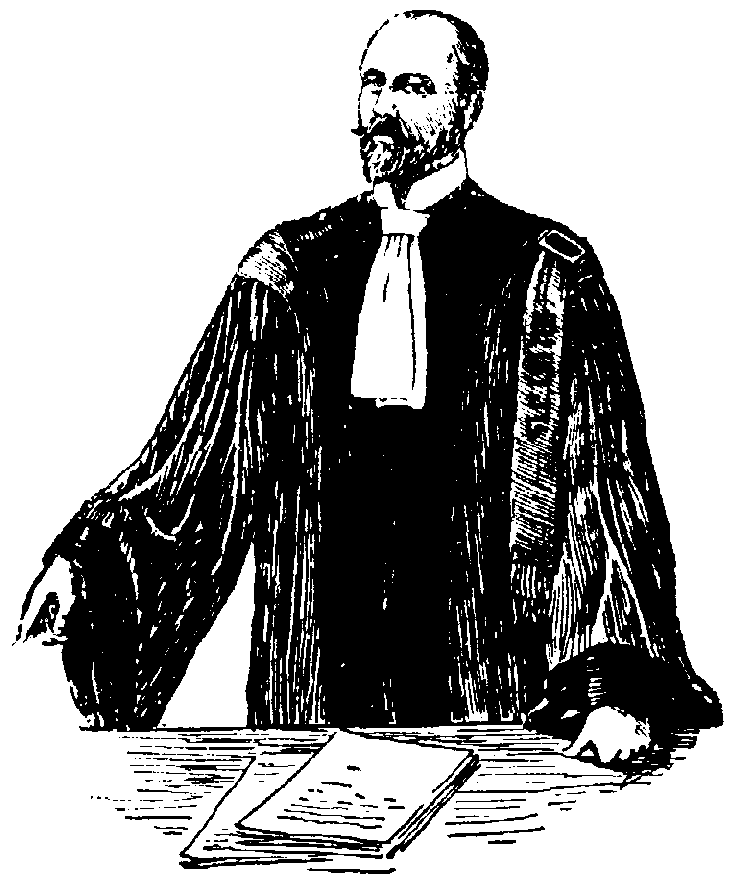
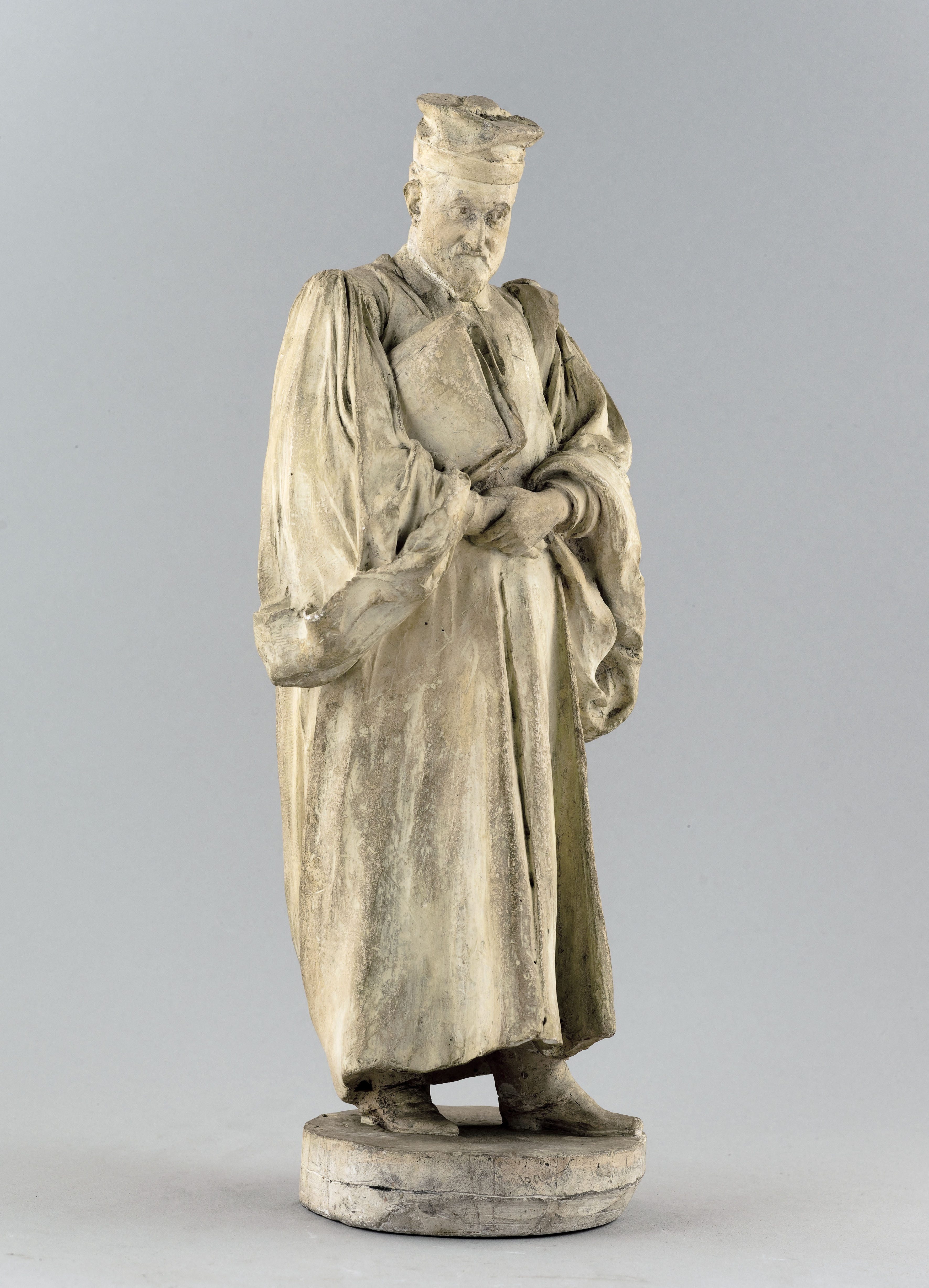
The French tradition of the black robe was influenced by clerical dress. The gown and white neck bands mark the advocate’s professional role in court. They make that role immediately recognizable even when the advocates differ in seniority or background.
The French Revolution abolished the old professional orders. The gown returned as the profession was reorganized in the Napoleonic era. Bar associations were restored in 1810.
In a story set in France, a judge sees an attacker flee. A passerby tries to help the victim and later stands accused. The judge condemns him, then publicly acknowledges the error. At a later hearing an advocate appears in black and says the robe is a reminder of the innocent person who was condemned. The story circulates in different versions, and its origin as an account of the gown remains unverified.
England and Wales developed different traditions of gowns, bands and wigs. Their use varies with the court, the proceeding and the role of the person wearing them. In Egypt the black robe became a familiar feature of advocacy, reflecting the profession’s place in the courtroom.
By Mohamed Mekawy, on legal practice and working with clients.
Reflections on legal practiceProfiles of pioneering advocates.
Figures in legal historyAttributed quotations on advocacy.
Quotations on advocacyA portrait gallery of Egyptian Bar presidents.
Bar Association presidentsA gallery and constitutional timeline.
Egyptian history and constitutions