
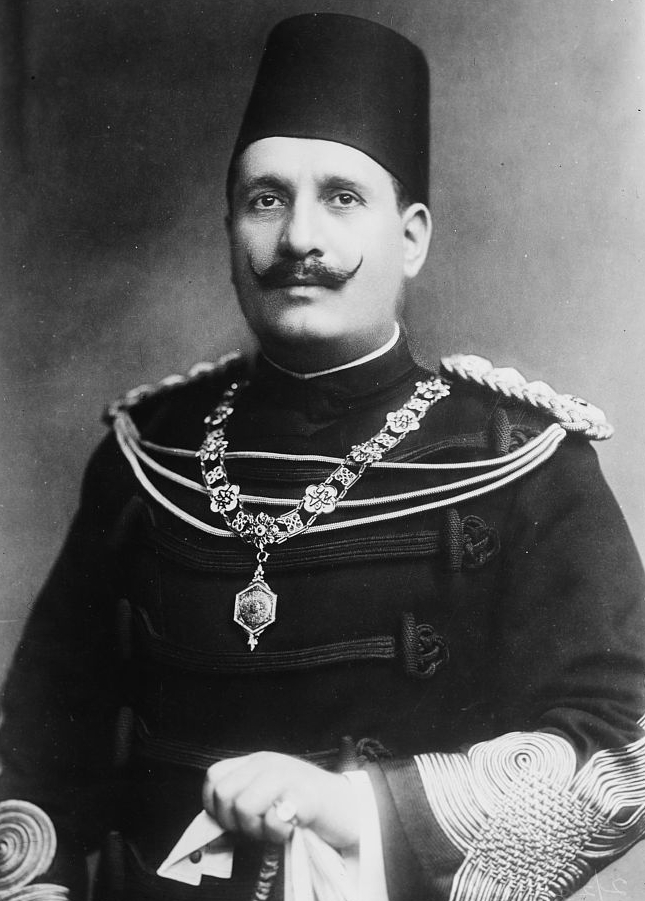
1922–1936
Fuad I
KingHis title changed from sultan to king when the Kingdom of Egypt was established in 1922. The 1923 Constitution and the opening of parliament in 1924 followed.
Follow the major periods of Egyptian history from early Nile settlements to the modern kingdom and republic, then explore the country’s constitutional milestones.
Farming communities developed along the Nile and in the Delta. Pottery and burials reveal changing crafts and local traditions at centres such as Naqada and Hierakonpolis.
The Narmer Palette is associated with the early unification of Upper and Lower Egypt. Early Dynastic finds show the growth of royal administration and the use of writing to record goods and names.
This period saw the construction of Djoser’s Step Pyramid at Saqqara and the pyramids at Giza. Tombs and inscriptions document work and administration around the royal court.
After Old Kingdom authority declined, Mentuhotep II reunified Egypt from Thebes. In a later intermediate period the Hyksos controlled parts of the north while Theban rulers held power in the south.
Egyptian influence extended into Nubia and the eastern Mediterranean. Karnak, Hatshepsut’s temple at Deir el-Bahri and the reign of Ramesses II mark the period.
Multiple centres of power emerged after the New Kingdom. Local, Libyan and Kushite dynasties ruled, and the Late Period saw phases of Persian rule before Alexander’s arrival.
Alexander entered Egypt in 332 BCE. The Ptolemies subsequently ruled from Alexandria until its fall in the reign of Cleopatra VII.
Egypt became a Roman province after Ptolemaic rule. Christianity spread, the Coptic Church and monastic traditions developed, and Eastern Roman rule continued until the Arab conquest.
Fustat became the seat of government after the conquest. Umayyad and Abbasid administration was followed by Tulunid and Ikhshidid rule before the Fatimids arrived.
The Fatimids founded Cairo and established al-Azhar. In 1171 the Fatimid caliphate ended and Ayyubid rule began under Saladin.
The Mamluks ruled from Cairo under the Bahri and Burji sultanates. Their period left a substantial legacy of schools, mosques and public buildings.
Egypt came under Ottoman rule in 1517, while Mamluk elites retained local influence. The French expedition of 1798–1801 was followed by rivalry over control of the province.
Muhammad Ali took office in 1805 and reorganized the army and administration. Under Khedive Ismail, the Suez Canal opened in 1869 and Cairo expanded.
British occupation began in 1882 and a protectorate was declared in 1914. After the 1919 Revolution, the declaration of 28 February 1922 preceded the establishment of the Kingdom of Egypt.
His title changed from sultan to king when the Kingdom of Egypt was established in 1922. The 1923 Constitution and the opening of parliament in 1924 followed.
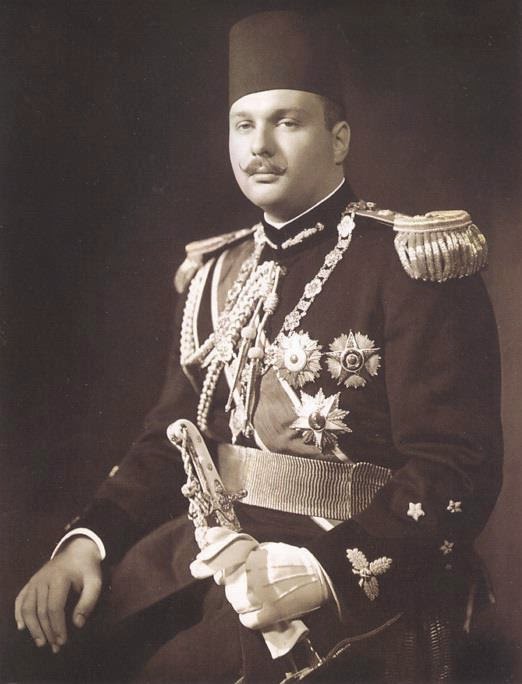
He succeeded Fuad I under a regency and abdicated in July 1952 in favour of his son.
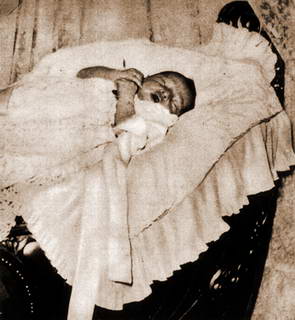
He succeeded to the throne as an infant. A regency exercised royal functions until the republic was proclaimed on 18 June 1953.
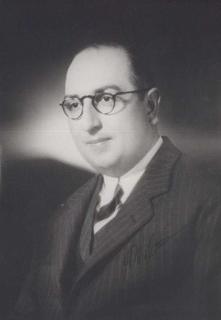
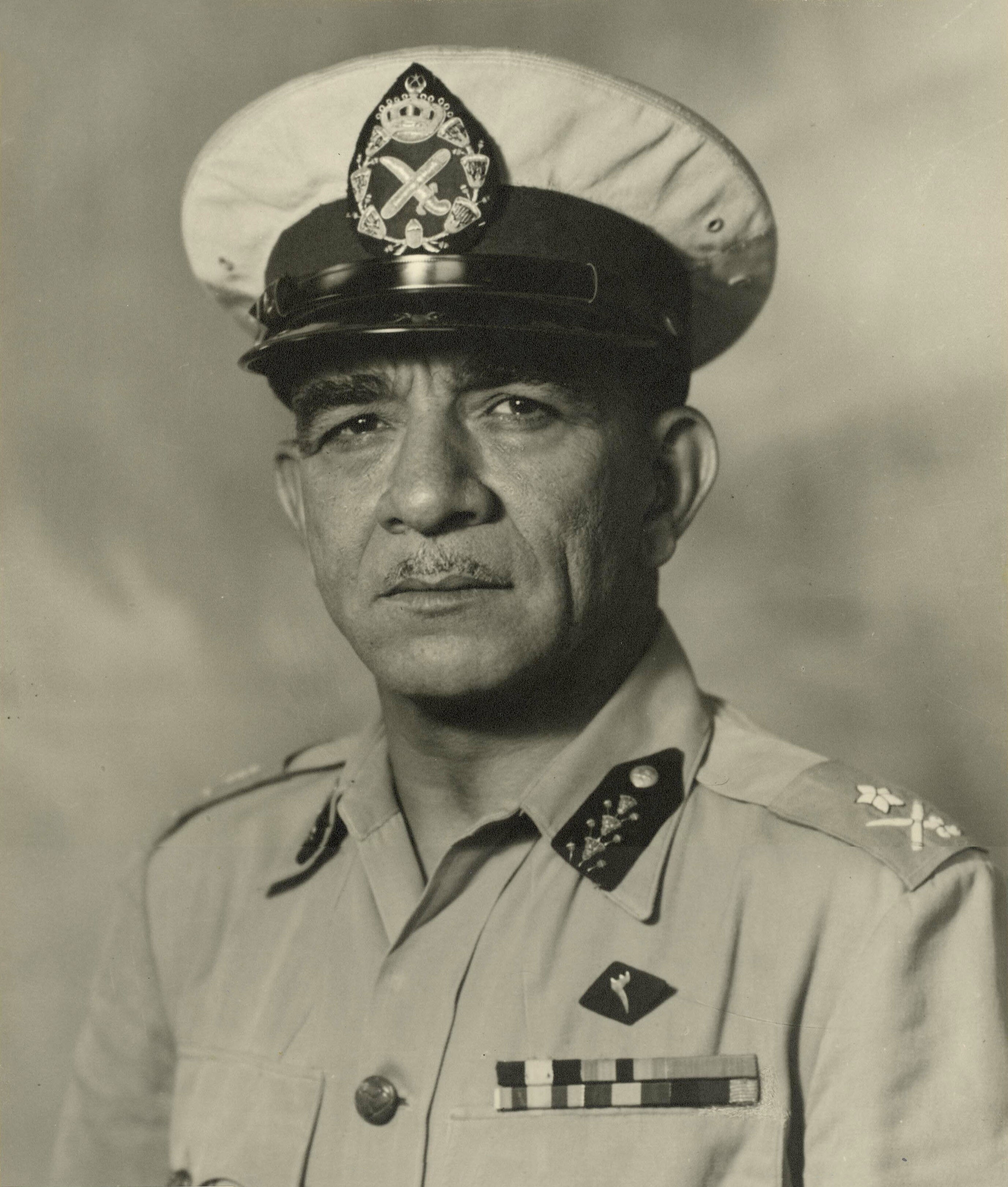
He became the first president on proclamation of the republic. A 1954 crisis saw him briefly return after his resignation was accepted, before his removal in November.
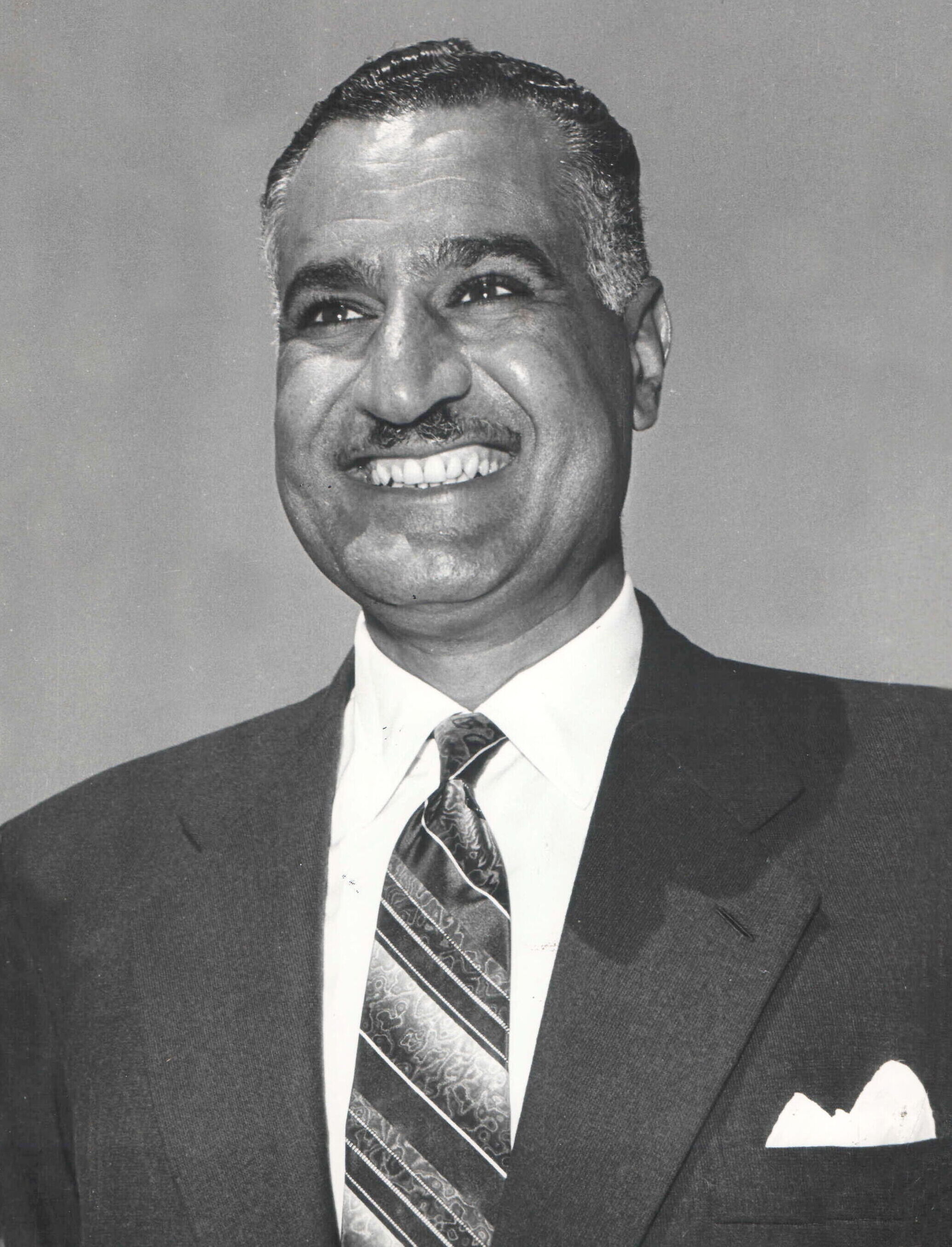
He led the Revolutionary Command Council after Naguib’s removal and formally took office in 1956. His presidency encompassed union with Syria, its dissolution and the 1964 interim constitution.
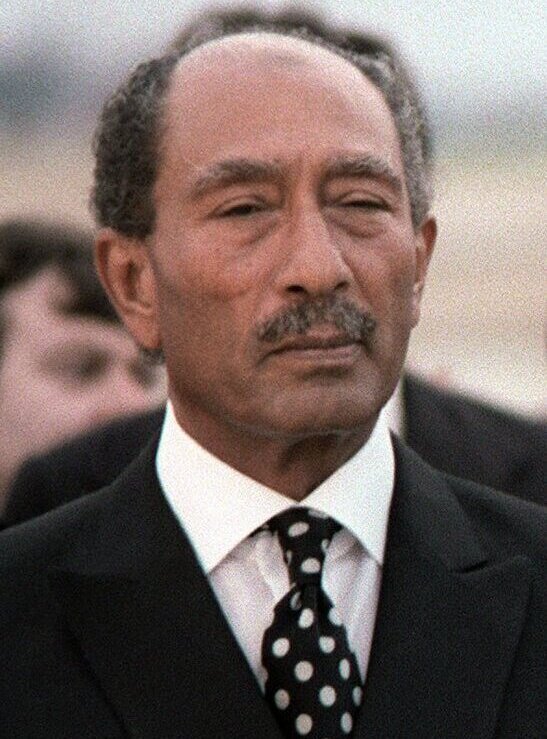
He succeeded Nasser and the 1971 Constitution was adopted during his presidency. He was assassinated on 6 October 1981.

As speaker of the People’s Assembly, he performed presidential duties between Sadat’s assassination and Mubarak’s assumption of office.
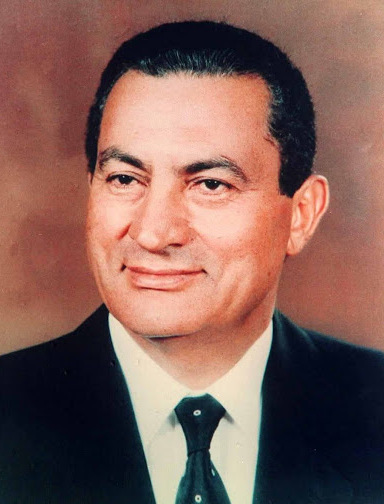
He took office in October 1981 after the interim period and stepped down in February 2011.
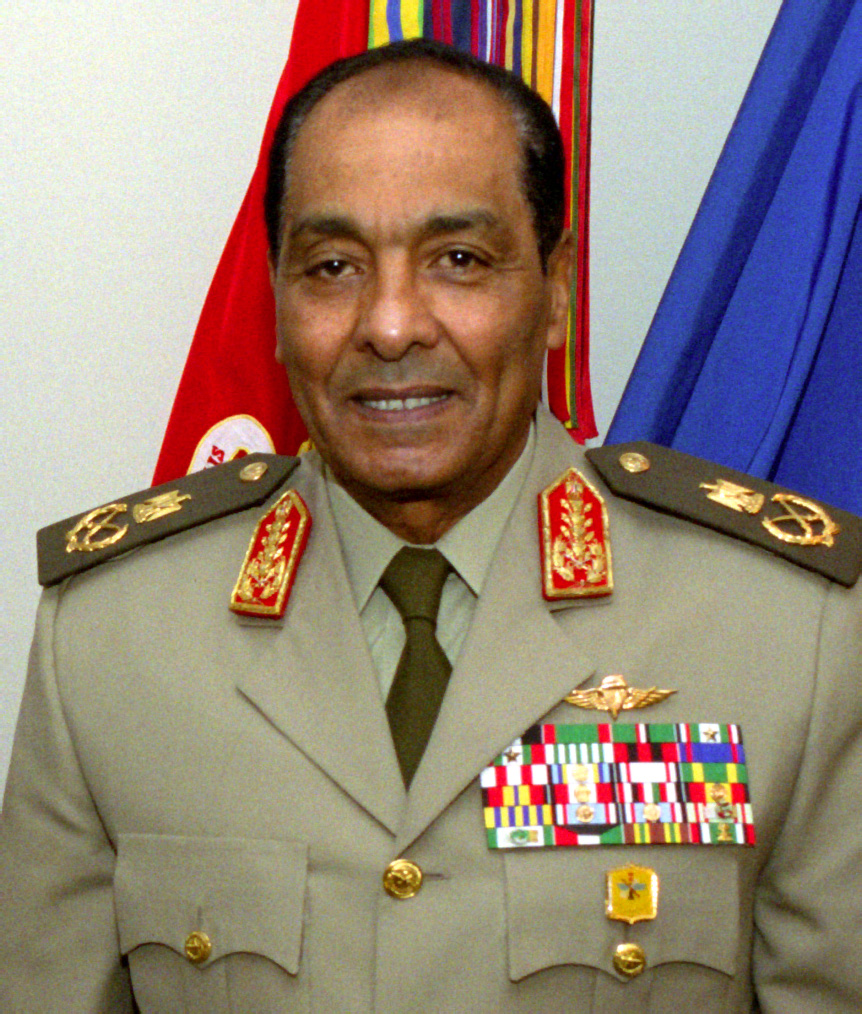
The Council administered the country after Mubarak stepped down until power passed to the elected president in June 2012. The portrait shows its chair, Hussein Tantawi.
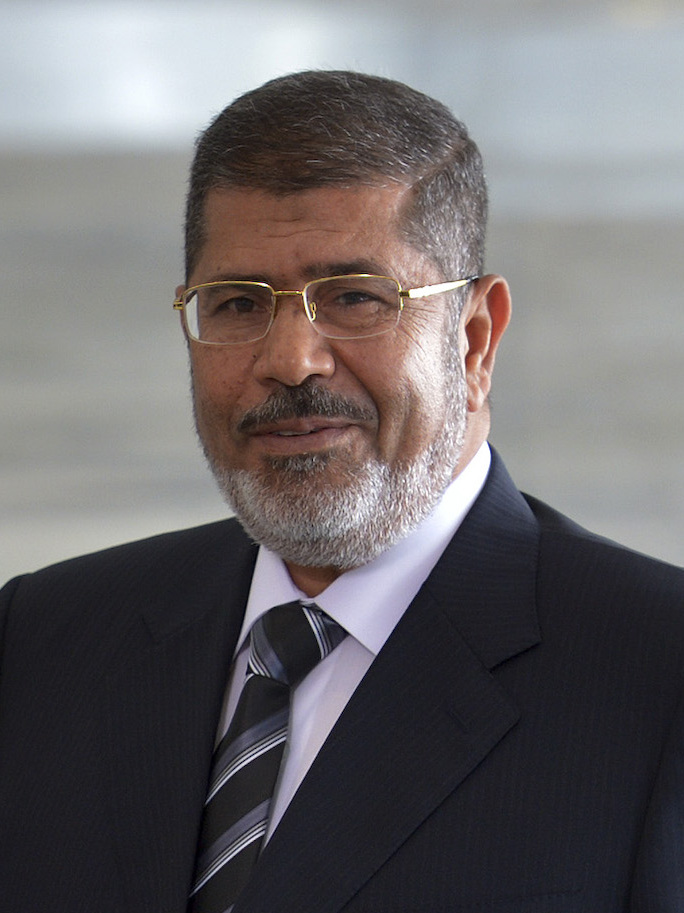
He assumed office in June 2012. The 2012 Constitution was adopted during his term, which ended on 3 July 2013.

The president of the Supreme Constitutional Court assumed the interim presidency. The 2014 Constitution was adopted during the transition.
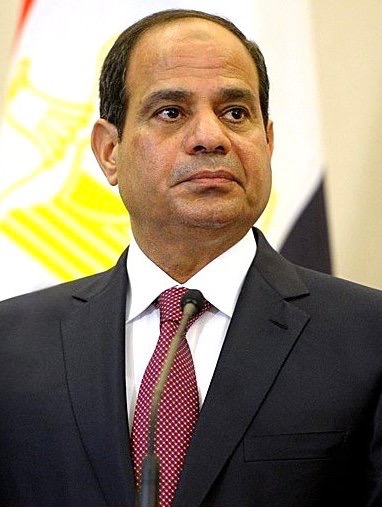
He assumed the presidency in June 2014. Amendments to the 2014 Constitution were approved in a 2019 referendum.
It defined the roles of king, parliament and government. Parliament convened under it in 1924.
The 1930 Constitution replaced the earlier text for a period before the 1923 Constitution was restored in 1935.
An interim constitutional instrument governed the transition. In June the monarchy was abolished and the republic proclaimed.
The 1956 Constitution was followed by an interim constitution for the United Arab Republic in 1958 and another interim text in 1964.
It structured state institutions and rights, as amended, until its suspension in 2011.
Constitutional declarations followed the suspension of the 1971 text. The 2012 Constitution was later suspended in July 2013.
The 2014 Constitution was approved by referendum and amended in 2019. Article 198 addresses the legal profession and the right of defence.